Insights
Industry perspectives from the Wakata team. No fluff, just the things we've learned from years in mining, construction, and heavy industry.
Hunting for Hazards
A mining operation set a KPI: 10 hazards per day. So workers went hunting for problems instead of doing their actual job.

Mate, Just Use Mine
When software licences are limited, workers share logins. Your data says one person did everything — but they didn't.
It's Your Data
You're already asking workers to do pre-starts and inspections. The question is: is that data actually reaching the systems that need it?
Operations v IT
Workers completing quality inspections, then manually hunting through that data to fill out a separate warranty form. Same information, different order. 30+ minutes of transcription per truck.

Just Start
A pilot program with discovery workshops, implementation planning, and change management. Or: actually use the system for a year. One gives you meetings. The other gives you operational data.

You've Already Done the Work
Companies spend thousands creating safety documents. Then they print them out, pass them around, and hope everyone read what they signed.

Why Wakata: There's a Business in the Boring Bits
Daily reports. Sign-offs. Tracking variations. All the boring bits that people ignore — until they need them for a commercial negotiation.
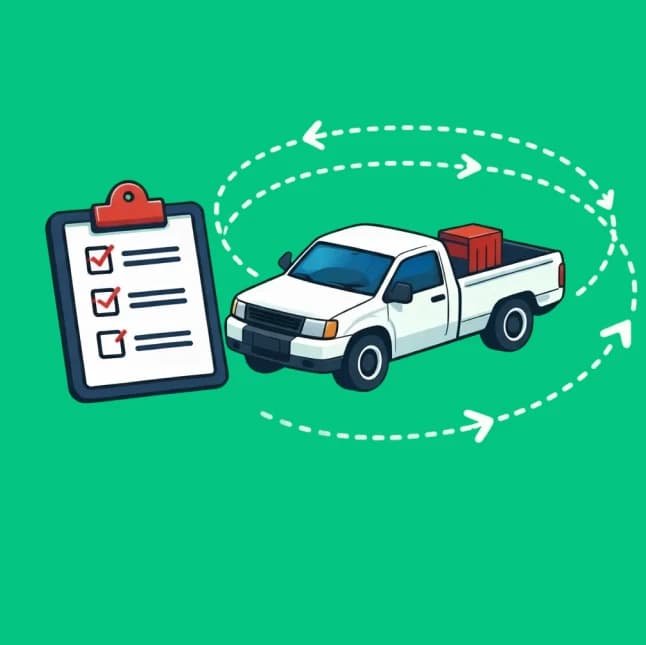
Built in the Office, Used in the Field
An office worker designs a vehicle checklist. To complete it as written, a worker has to walk around the vehicle four times. In reality? They walk around once and tick, tick, tick.
Wakata Works in 3D
Dull. Dirty. Dangerous. That's the space we operate in — and where your operational data comes from.
You're Not in the Business of Compliance
Civil companies build infrastructure. Mining companies extract resources. None of them are in the business of compliance — but try running without it.

2026: The Year to Start Capturing Quality Data
Your teams are already doing pre-starts, inspections, hazard reports. But when you need that data — for a claim, an investigation, planning — it's incomplete, unreliable, or buried.
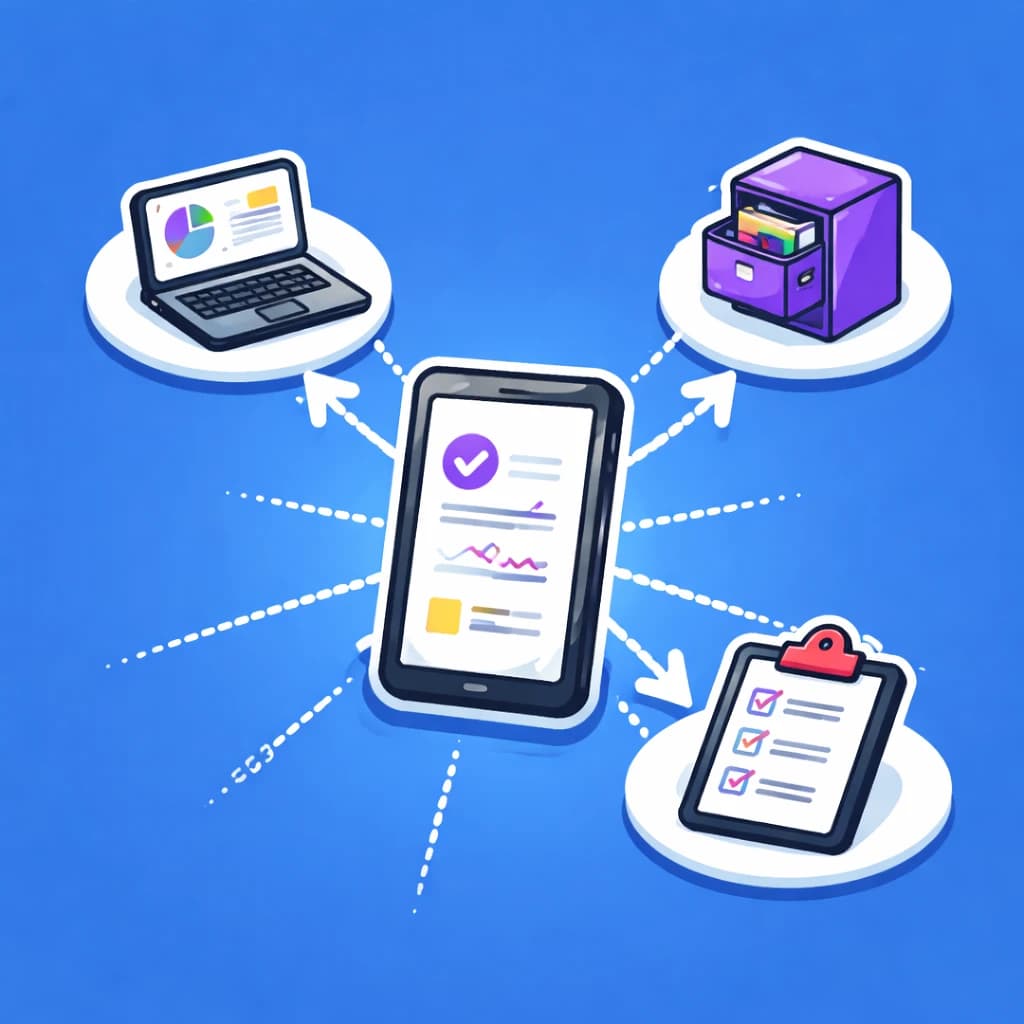
The Single Source of Truth Fallacy
Everyone talks about a 'single source of truth.' But if you're integrating multiple systems into one platform, that's not a single source — that's a fancy aggregator.

2026: The Year AI Native Beats Legacy
The big names in construction software are about to become legacy companies. Not because their product is bad — because their codebase was built in a different era.

What Does "AI Native" Actually Mean?
Most software was built 5, 10, 15 years ago. Adding AI to it now is like retrofitting a Tesla engine into a 1995 Corolla.
Logic: Left to Right, Top to Bottom
You're going to walk around the machine anyway. So why not do it in an order that makes sense?

Building Checklists: Three Perspectives, One Goal
Most pre-start checklists are built by people who've never operated the machine. The operator, the mechanic, and the business all need different things from the same information.